
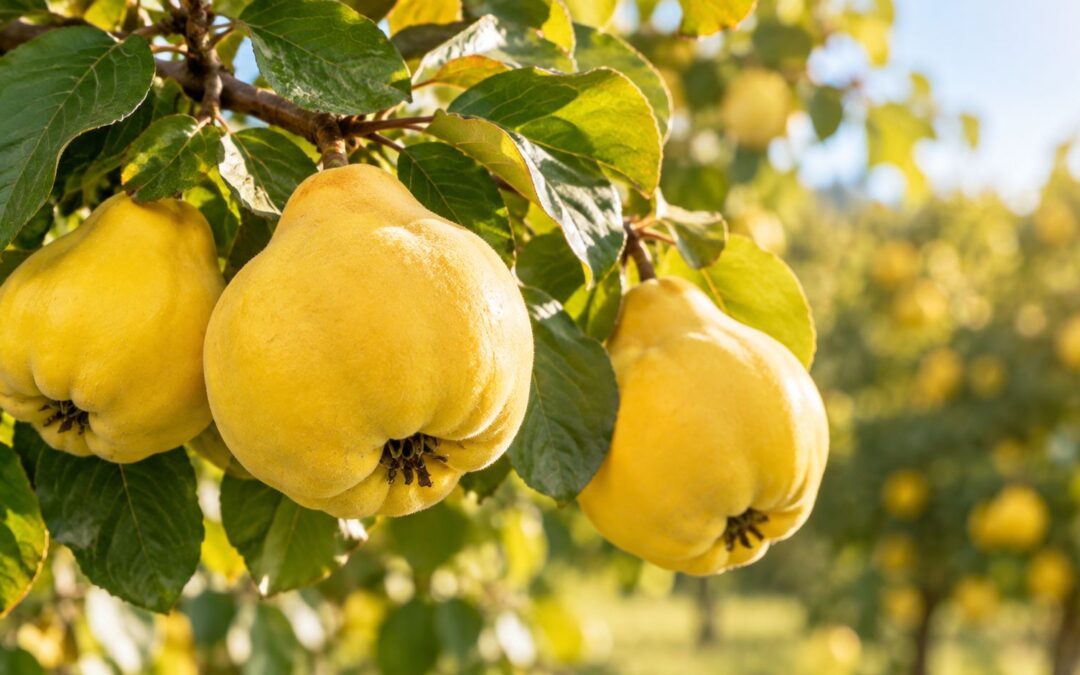
Quince (Cydonia oblonga) is an aromatic autumn fruit known for its golden-yellow skin, firm flesh and distinctive fragrance. But when is quince in season, and how can you tell when a quince is ripe enough to harvest?
In Hungary, quince harvesting generally takes place from late September to mid-October, depending on the variety, weather conditions and growing location. In other European regions, the harvest may begin earlier or continue into November.
Harvest timing is especially important for food manufacturers. Fruit maturity influences aroma, acidity, texture and storage potential — all essential factors when selecting quince for juice, purée, jam, fruit preparations and other processed products.
When Is Quince Harvested in Europe?
The European quince season generally falls between September and November. The exact harvest period varies with climate, cultivar and seasonal weather conditions.
In Hungary, quince typically reaches harvest maturity between late September and mid-October.
At our certified organic quince orchard in Bükkábrány, northeastern Hungary, we grow three quince varieties:
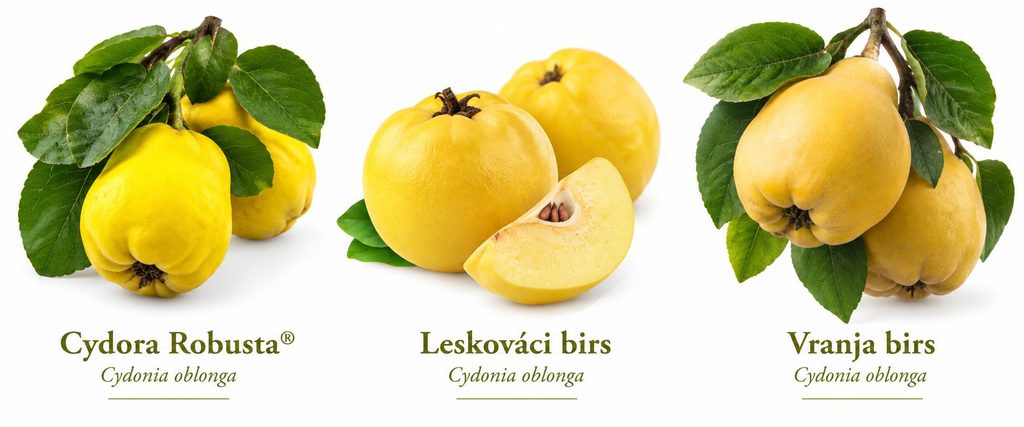
| Quince variety | Typical harvest period in Hungary |
| Leskovac quince | Late September – early October |
| Cydora Robusta® | Early to mid-October |
| Vranja quince | Early to mid-October |
Cydora Robusta® accounts for the majority of the trees in our orchard. This variety is particularly interesting for processing because of its characteristic aroma and fruit properties.
These dates are approximate. Actual harvest timing depends on fruit development and the weather conditions of each growing season.
For a broader perspective on European quince cultivation, read our article Quince Origins and Hungary: Where Quince Comes From in Europe.
How to Tell When a Quince Is Ripe
Determining the right quince harvest time requires more than checking the calendar. Several visible and measurable characteristics help indicate fruit maturity.
1. Skin Colour Changes from Green to Yellow
As quince ripens, its skin gradually changes from greenish to the characteristic yellow or golden colour of the variety.
Cydora Robusta®, for example, develops attractive yellow, pear-shaped fruit when mature.
However, colour alone is not always a reliable indicator, as different varieties may develop slightly different shades.
2. The Fruit Develops Its Characteristic Aroma
One of the clearest signs of quince ripeness is its distinctive, intense fragrance.
As the fruit matures, its aromatic compounds develop, contributing to the characteristic flavour of quince-based products.
For juice, fruit purée, preserves and spirits, this natural aroma is an important quality attribute.
3. The Surface Becomes Less Fuzzy
Young quince fruit is often covered with a soft, woolly coating. As ripening progresses, some of this fuzz naturally disappears, leaving the skin smoother.
Although this can indicate maturity, it should be considered alongside other ripeness indicators.
4. Sugar Content and Acidity Change
During ripening, the balance between sugars, organic acids and aromatic compounds evolves.
Soluble solids content can be measured using a refractometer and expressed in degrees Brix (°Bx). This provides useful information about fruit maturity, although Brix alone does not determine the ideal harvest date.
For further guidance on harvesting quince, see the Royal Horticultural Society’s guide to growing and harvesting quinces.
Why Quince Ripeness Matters for Food Processing
Quince is rarely consumed raw because of its firm texture and naturally tart, astringent taste. However, it is a valuable ingredient for a wide range of processed food products.
Harvest maturity can affect both processing performance and the quality of the finished product.
| Processing application | Important fruit quality characteristics |
| Quince juice and purée | Aroma, acidity, soluble solids and sound fruit |
| Quince jam and jelly | Natural pectin, acidity and flavour |
| Quince paste (membrillo) | Pectin content, texture and characteristic aroma |
| Fruit spirits and distillates | Developed aroma, appropriate maturity and absence of rot |
| Fruit preparations and preserves | Firmness, colour, maturity and fruit condition |
Different processing methods may require different maturity levels and raw material specifications.
For industrial buyers, this means that quince quality should be evaluated according to its intended application, rather than appearance alone.
If you would like to learn more about the fruit itself, see our article What Is Quince Fruit? Taste, Look, and Uses.
Does Quince Continue to Ripen After Harvest?
Quince can undergo further ripening-related changes after harvesting, particularly in its aroma and texture.
However, fruit harvested too early may not develop the same characteristics as quince picked at the appropriate stage of maturity.
Harvesting too late can also create difficulties, including increased risk of bruising, fruit drop and deterioration.
For this reason, the optimal harvest date depends on the intended use, expected storage period and processing requirements.
How Should Fresh Quince Be Stored?
Quince can be stored for several weeks or longer under suitable conditions, depending on the variety, maturity and fruit condition.
Careful handling is essential to minimise bruising and prevent premature deterioration.
Fresh quince should generally be:
- harvested and handled carefully;
- selected to exclude damaged or decaying fruit;
- kept in a cool, well-ventilated environment;
- checked regularly during storage.
For commercial quantities, storage and transport arrangements should be agreed upon according to the fruit’s condition, expected delivery time and the buyer’s processing requirements.
The Royal Horticultural Society’s fruit storage guide provides additional information about storing quince and other orchard fruits.
Certified Organic Quince from Hungary for European Food Manufacturers
Our Bükkábrány quince orchard is located in northeastern Hungary and covers more than 13 hectares, with over 10,000 quince trees.
We specialise in certified organic quince production, with the majority of our orchard planted with Cydora Robusta®.
Our organic farming practices are inspected by Biokontroll Hungária, and we also commission independent pesticide residue analyses.
Under favourable growing conditions, our orchard has the potential to produce up to 300 metric tonnes of organic quince annually. Actual harvest volumes depend on the growing season and weather conditions.
We are interested in developing long-term relationships with European food manufacturers and processors looking for certified organic quince in commercial quantities.
Potential applications include fruit juices, purées, jams, fruit preparations and other premium processed food products.
Learn more about our production philosophy and the people behind the orchard in How Do We Grow Organic Quince in Bükkábrány? – The Story of an Orchard.
Looking for an Organic Quince Supplier in Europe?
If your company is planning future production and requires certified organic quince in bulk, we welcome enquiries ahead of the harvest season.
Contact us to discuss anticipated harvest volumes, quality requirements and potential supply arrangements.